Friday, July 1, 2022

Other creatures that call this home

I busted out the zoom lens for some up-close animal shots on this one.

This is the second set of chicks being raised by the Western Bluebirds this year.  I am kind of assuming it is the same pair of parents.  The first go around they utilized a different birdhouse just a few feet away from this one.  This is the first time this birdhouse has had any action.  It is within a fenced area that protects some cymbidium orchids and other plantings in what I refer to as "Shazaam's Cymbidium Oasis".  Maybe the fence will help protect the chicks from the neighbor's semi-feral cats when they are learning to fly?  I never know if the chicks survive or not; I have never been there to witness their fledging.

I read that Western Bluebirds eat a lot of insects in Spring and a lot of berries in Summer.  Sure enough, with the first round of nestlings I saw them bringing little crickets and such to the nest.  This second time around I am seeing them bringing these little black berries, which could possibly be from nearby Italian Buckthorn (Rhamnus alaternus) shrubs, or a native Coffeeberry (Frangula californica) shrub I recently planted that has a few berries on it, or perhaps something else like a Privet, which we have plenty of around here.  Either way, it is just one berry after another, about every 60 seconds, it seems, at least in the evening time when I see a lot of activity.


The deer are always very comfortable on the property too.  I think that, to them, it is a sort of vacation/retreat destination, as well as a family-friendly venue, a safe place to birth and raise their young.

A buck (background) recently arrived on the scene.

These two fawns have been around a lot--pretty much since they were born, it seems; about 2 or 3 months.


Sattelite dish ears.

The summer dryness is setting in here and the deer are getting less and less picky with what they eat in my yard.  Oh well--it comes with the territory!  Most of my unprotected plants are ones that they have an aversion to, but there are a few borderline plants that will get grazed occasionally.

And this is "Angus", who was recently neutered.  The humane society offers that service for "community cats" (outdoor cats that don't have proper owners). They suggested that name and it kinda stuck.  He is a cutie, alright...


Here is Angus, along with one of his 2 siblings (the black cat) who will be the next to get fixed.  The grey/white cat is the surrogate mama.  She is fixed, but she always seems to raise and care for the kittens from the unspayed female cat that lives nextdoor and is very skittish.


I think I will have no trouble trapping the black one! I don't know if there are more unfixed cats that I don't see.  But these are the ones that frequent my yard.

Saturday, June 18, 2022

Summer is Here - Victory Lap!

My good friend Eddie recently finished a challenging year of teaching special education in a new school district run by very unsavory administration.  To celebrate this feat, he made a trip up to Napa to hang out and see his folks and we did the good ol' Skyline Park hike!

After a week in the mid-90's, Sunday was much cooler and cloudy... perfect hiking weather, and great for photographing plants.

View of the Napa Valley w/ monkeyflowers foreground

I saw a handful of personal firsts, as far as wildflowers:

Above: Cardinal Catchfly (Silene laciniata) growing in the understory of oaks and bay trees.

Alongside the Silene, were these gracefully pendant clusters of flowers belonging, I am guessing, to a plant called Cream Bush or Ocean Spray (I thought that was a brand of fruit juice!).  The botanical name is Holodiscus discolor.  Apparently it is common in the Pacific Northwest.  It was quite beautiful!

Lake Marie, adorned in brown velvet... algae?

After the lake, the trail cuts up the hillside of Sugarloaf Peak and the habitat shifts from wooded to rocky and exposed.

Above: Canyon Liveforever (Dudleya cymosa)
Dudleyas have become a global commodity the last few years and have fallen prey to poachers shipping loads of these precious, slow-growing, long-lived succulents overseas for profit.  Fish & Game is working on catching these poachers.
There is also another strategy to combat poaching, and that is to grow the plants in nursery setting and "flood the market" to drive prices down.  I collected some seed from these ones and will see if I can get them to grow (largely just for experimentation and for fun... I don't actually think I am combatting poaching in a significant way by doing this, but you gotta start somewhere!).  I have a few Dudleya farinosa that I collected seed from in Salt Point that are approaching about a quarter inch in size after about 4 months of being planted.

Dudleya & Penstemon

Unknown scrubby shrub

Eddie!

Yellow Mariposa Lily (Calochortus luteus)

Above: Unknown species of wild buckwheat (Eriogonum).  This specimen was quite astounding exploding in flowers from the sheer rock cliffside.  Buckwheats are a source of nectar for many butterflies and the seeds are eaten by birds.

It was a very pleasant hike with good company, both human and non-!  Congrats on making it through the year Eddie.  I hope your new position in a new school district is a big improvement over the last one.

Tuesday, May 31, 2022

Latter Spring Garden Check-In!

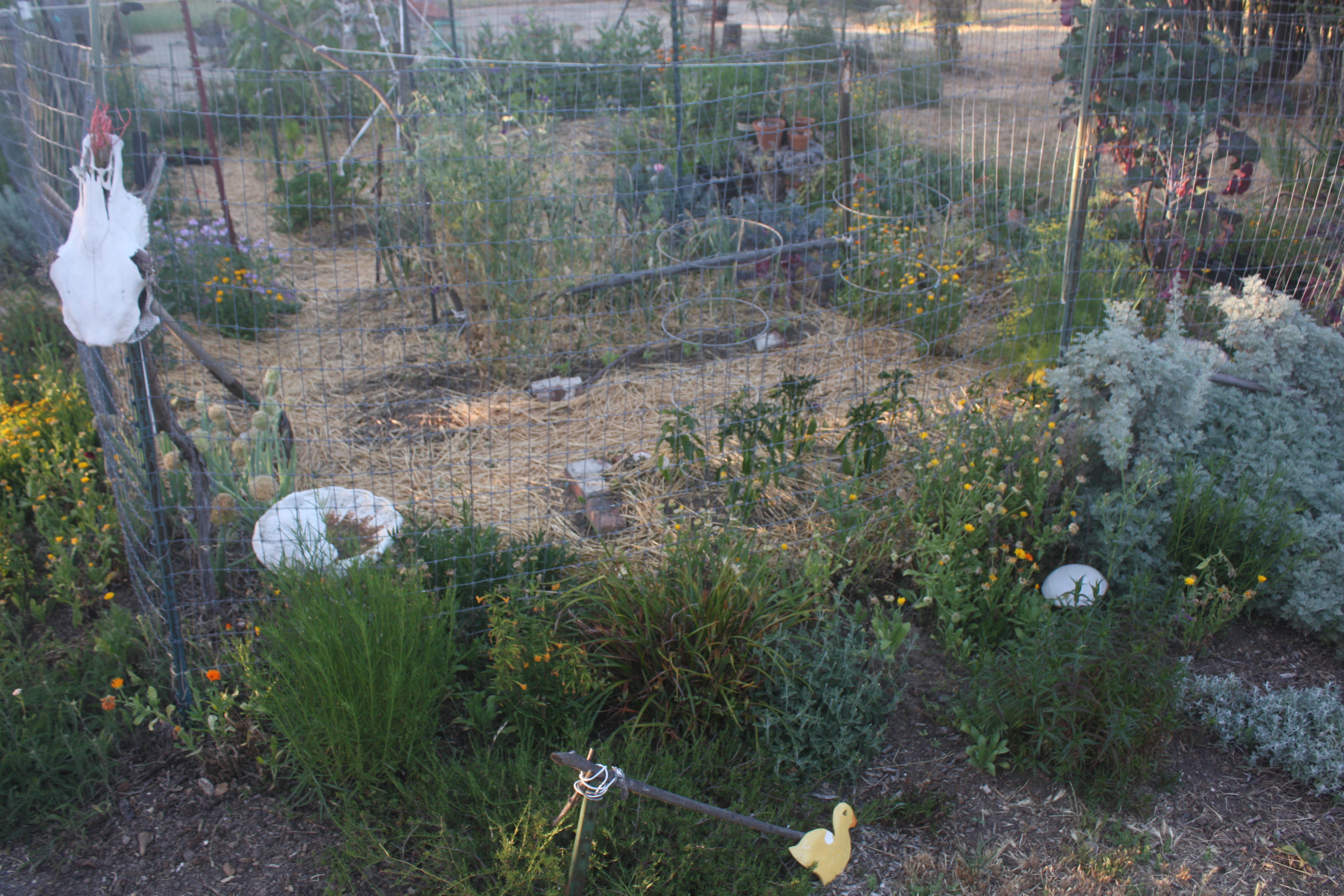
Well, it's been a while, but I just wanted to share something that I am excited about, and that is the "Cage of Life" garden.  Twenty feet by thirty feet with an 8 foot tall perimeter.  Safe from nibbling deer and defecating cats.  My garden oasis!  It has been getting better every year, as I feed more and more compost and soil amendments into it.  It is nice to see the soil fluff up and the weeds lose some footing as the time and energy spent cumulates into more pay-off in terms of ease of digging and overall plant health.  This year is sure to be a good one!

View from outside the "Cage".  An assortment of deer resistant plants adorn the perimeter.

Entering the Cage and looking to your right you see the garlic patch, which has an A-frame of deer fencing going over it which will serve as a trellis/arbor for my recently-planted melons.  And to the right there is a nice lilac-pink sweet pea with some pink flowering thyme growing as a groundcover around it.


Behind the sweet pea, as you make your way to the right, are some of the first little tomatoes forming on the Atomic Grape tomato plant.  The Atomic Grape is a hybrid created by a local tomato breeder who has actually gotten a lot of recognition for his outrageously colorful and flavorful and sometimes oddly-shaped tomato varieties.  This variety produces football-shaped thumb-sized fruit that are streaked with gold, purple, red, and greenish tones and are remarkably sweet, while still remaining somewhat firm.  You gotta try 'em!

Immature fruit of the Atomic Grape tomato.  That deep purple hue is indicative of anthocyanin pigments, which are antioxidants like blueberries have.

And continuing to the right of the garden entrance is a robust little eggplant.  I think this one is a round green type from Thailand.  I bought it on a whim from the nursery--we'll see how the fruit tastes!  The plant is sure looking good, though.  I have always loved the ornamental beauty of eggplants.

Eggplant

And then there is the pepper section with mostly sweet peppers: 3 Red Marconi, 2 Sweet Banana, a Hatch Green Chile, and a Poblano.  Also, in a separate area, is a Cayenne, the "bad boy" of the bunch in terms of heat.  These have been putting on some real deep green growth and seem to be very happy with the bed I made for them, which included homemade compost and some organic granular fertilizer.
Various peppers

Here is a shot of the aforementioned recently-planted melons.  This side of the arbor is "Ha'Ogen", a very aromatic green-fleshed melon thought likely to have originated in Hungary.  On the opposite side of the A-frame are Charentais, which are French heirlooms that are orange-fleshed and extremely sweet.
The garlic that is behind the melons should start to turn yellow soon and flop over.  After allowing it to dry for a couple weeks, I will be able to harvest it.  At that point I could try planting lettuce there to utilize the shade that the melon vines will soon be providing... we'll see.

Young melon plants in front of garlic

Here is "The Stump", an old walnut tree burl that my old neighbor William helped me pull out of the ground when I first moved here.  I remember watching him whack away at the roots with an axe and then rig his truck's winch up and haul it out.  It looks very nice as a tabletop in the garden.  Recently it has been the home to this collection of seed-grown madrone trees (on top) and a couple purchased manzanita bushes (on ground, in front) which I am letting grow and should be planted this Fall.

The Stump

It is looking like a great year for onions, which is nice because last year my onions all "bolted", which means they sent their energy into making flowers instead of big roots, leaving a very skimpy amount of onion for me to eat.  But look at these honkers!!!  The tops have bent over and they are now in their "curing" stage, where they are allowed to dry in place for a couple of weeks before harvesting (just like the garlic are going to do).

Approximately 25 red onions (foreground) and 20 or so yellow (background). 
Also you can see a "Helda" bean, front left, starting to wind its way up some twine.

A little row of "Heldas" growing beneath the canopy of some volunteer sunflowers.  I figured I would let the sunflowers do their thing even though they block some sunlight.  Maybe they will form a nice scaffolding for the vining beans?  I did remove some lower leaves of the sunflowers to allow a bit more light down.

This back corner of the garden is starting to get taken over by a milkweed plant Asclepias speciosa, which is really hitting its stride in year 4, sending runners up 6 feet away from its parent plant.  I am glad it is doing well, but I am trying to encourage it to colonize outward in the other direction, since it is safe from deer, due to it's milky white sap.

Asclepias speciosa
(I am hoping to catch that cat in the background and have it fixed soon)

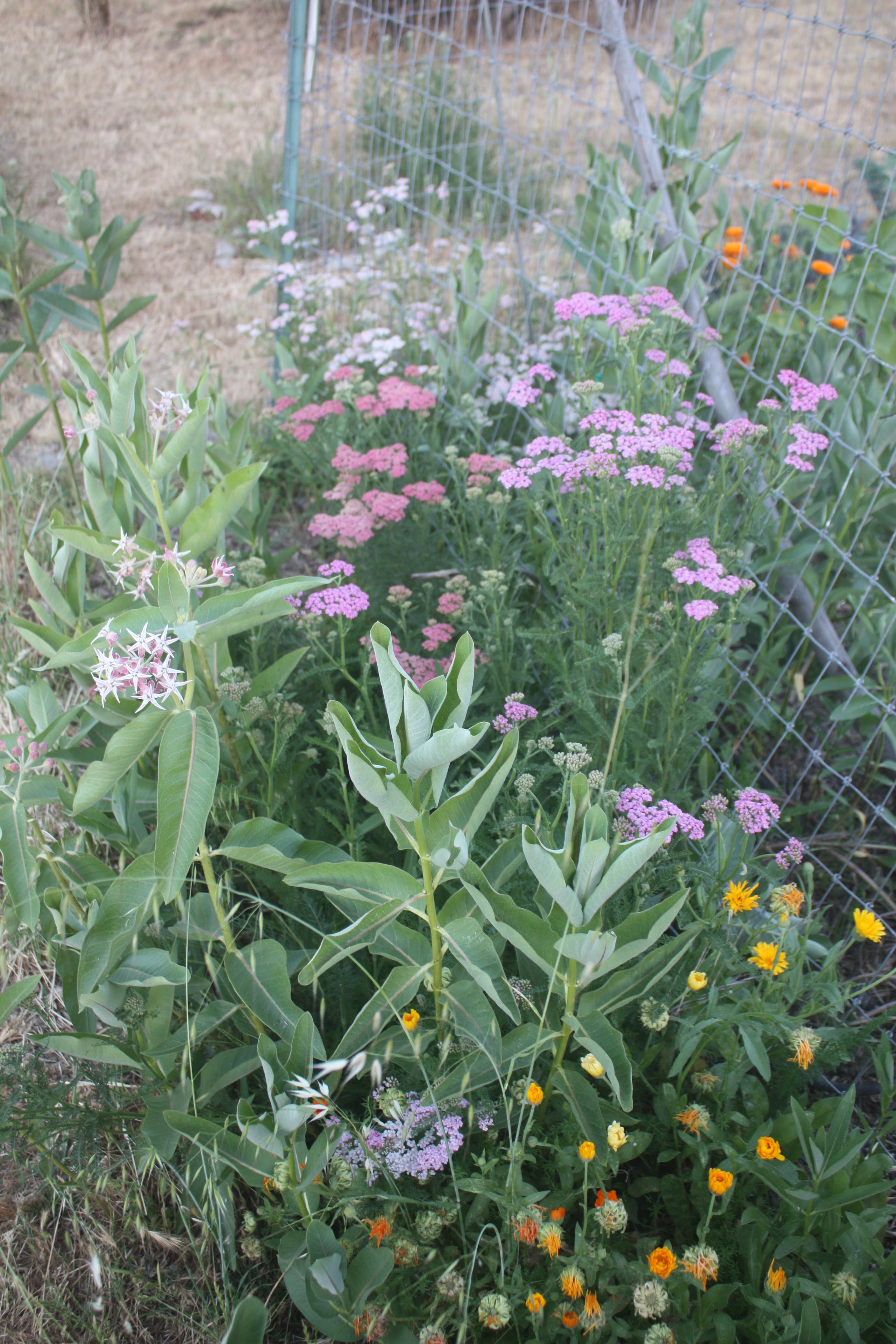
Milkweed growing with pink Yarrow, as well as the orange/yellow Calendula which is fading from its winter glory.

There are many species of milkweed and they are (all?) host plants for the caterpillars of the Monarch butterfly.  I have yet to find any on my plants, but I hear that the bigger your area of milkweed, the more likely the butterflies are to find it, so *fingers crossed*!

You can see how this species earned the nickname "Showy Milkweed"
Ooo la la!

And then along this back side are some tomato plants.  The picture is a little blurry, but you get the idea.  They have all rebounded very nicely after starting their lives out with a little frostburn shortly after I planted them (I should have waited!).  I have been patrolling them vigilantly and pruning lower leaves to ensure no disease takes hold.  We had a bad problem with blight on our tomatoes at work this year and I didn't want any of that in my garden.  So far so good!

Tomatoes and Basil

Alright, thanks for taking the time to check out my hobby!  I'll end with a native Soap Lily blossoming in front of a purple Foxglove.  The soap lily sent up a flower stalk this year (the first since I planted about 4 years ago) that is taller than me, with the top 2 feet branching out into these clusters of recurved star-shaped white flowers.  Very graceful.  The root of the plant contains saponin and was supposedly used by indigenous people as a soap, among other uses.  I just read that a plant takes about 10 years from germination to flower.

Soap Lily in front of Foxglove


Tuesday, March 22, 2022

A Nice Day in March

The sunny days we've been having called for a wildflower walk.  Three friends from work and myself drove up to Moore Creek Park near Lake Berryessa.

Indeed, the hills were alive

Lots of vetch, and lots of butterflies

Mourning Cloak


Delphinium nudicaule

A field of lupine and a Dudleya succulent


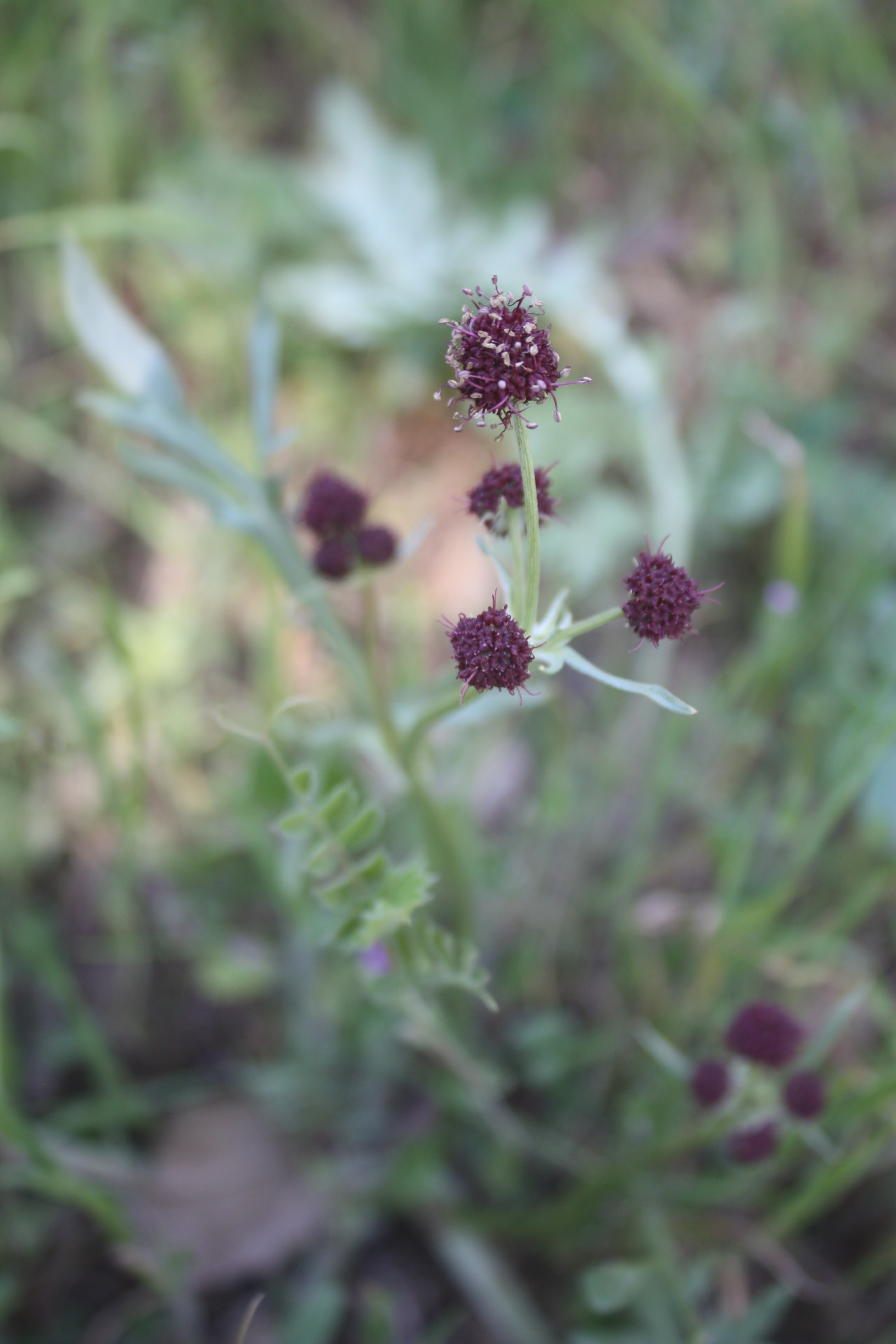
Sanicula bipinnatifida (Purple Sanicle)

This dog ran up to us from down the trail and he and Thomas hit it off!

We noticed caterpillars on the monkeyflower shrubs.  I believe they are Variable Checkerspot butterfly larva.  I have been growing this type of monkeyflower from seed and recently planted a dozen or so around the house, so with any luck, maybe they will be nibbled by these beautiful little creatures one day!

type of clarkia perhaps?

some type of bindweed / wild morning glory

An elegantly arching manzanita

and a very large and sprawling specimen, wow

Who spilled blue paint?

I call this one "West Side Story Standoff" in honor of my wonderful mother who has watched the new West Side Story 4 times in 2 months.  We watched it in Pat and John O'Connor's home theater, and I thoroughly enjoyed it!


Snacking in a very comfortable oak tree. 

Iris

Mule's Ear


Marble Mountains (Pt. 4)

...Continued from Pt. 3 ...  Cresting Burn Mountain As we approached the top of what I have been calling "Burn Mountain", the trai...